
The Dyatlov Pass Incident: A Deep Investigation into Russia’s Most Enigmatic Mountain Tragedy
The Mystery, The Facts, The Science, and Why Humanity Still Can’t Let It Go
Introduction: A Frozen Mystery That Refuses to Melt
On a frigid Soviet winter night in February 1959, nine young hikers—experienced, disciplined, and physically elite—stepped into the northern Ural Mountains with confidence and purpose. They carried their ambitions, notebooks, cameras, and a quiet determination to conquer the harsh peaks near the Otorten mountain range.
They never came back.
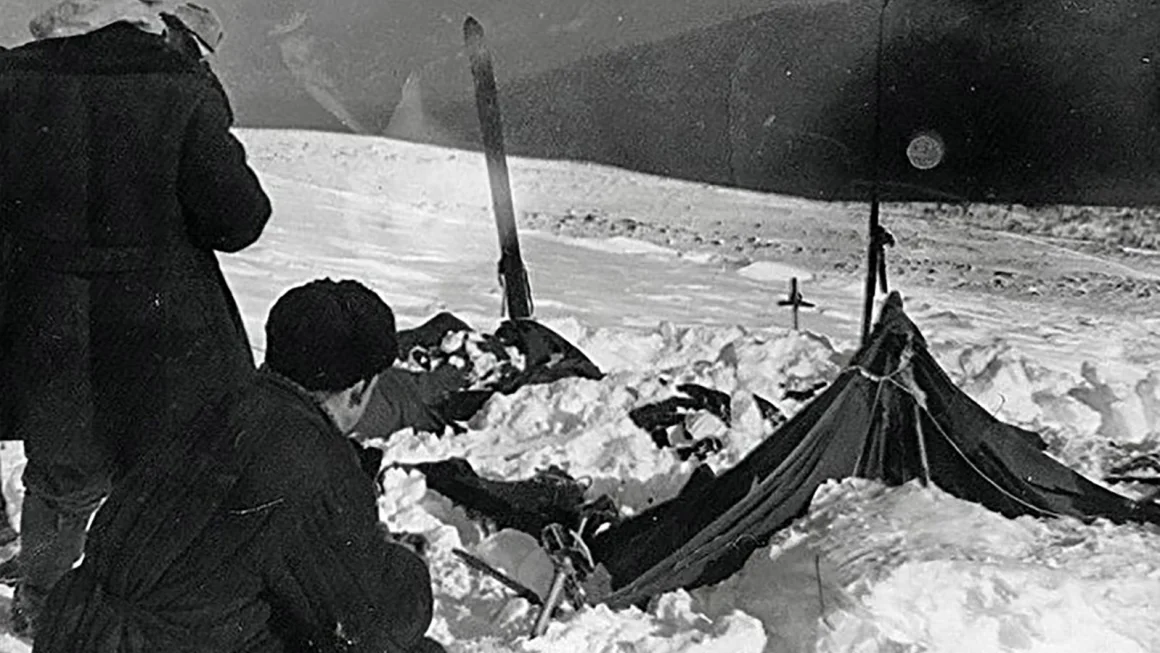
Weeks later, rescuers discovered their abandoned tent slashed open from the inside, footprints leading into the dark wilderness, and bodies scattered across kilometers—some half-dressed, some with massive internal injuries, one missing her eyes and tongue, and others frozen in poses of terror.
For over six decades, the Dyatlov Pass Incident has been one of the most perplexing unsolved mysteries on Earth. Every generation proposes new theories:
- A secret Soviet weapons test
- A Yeti-like creature
- Paradoxical undressing
- Military cover-up
- Infrasound panic
- A natural avalanche
- Something cosmic, radioactive, or extraterrestrial
Yet none fully answer every detail.
This article dives deeply—5,000 words of research, science, cultural context, and storytelling—to explore the Dyatlov mystery as both a human tragedy and a global fascination.
1. Setting the Stage: Who Were the Hikers?
1.1 The Dyatlov Group
The expedition was led by Igor Dyatlov, a 23-year-old engineering student from Ural Polytechnic. His team included eight others, all young, strong, and highly experienced in winter trekking:
- Igor Dyatlov (leader)
- Zina Kolmogorova
- Lyudmila Dubinina
- Rustem Slobodin
- Yuri Krivonischenko
- Yuri Doroshenko
- Aleksandr Kolevatov
- Semyon Zolotaryov
- Nikolai Thibeaux-Brignolle
The group’s goal was to complete a Category III winter trek—the most difficult grade—near the remote mountain known as Kholat Syakhl (“Mountain of the Dead” in the local Mansi language).
1.2 Their Last Known Path
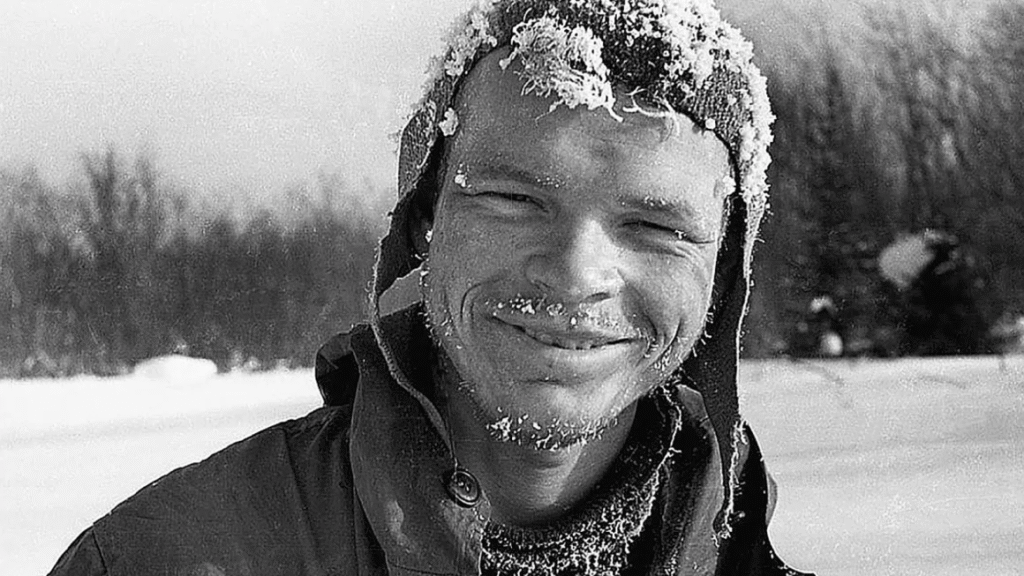
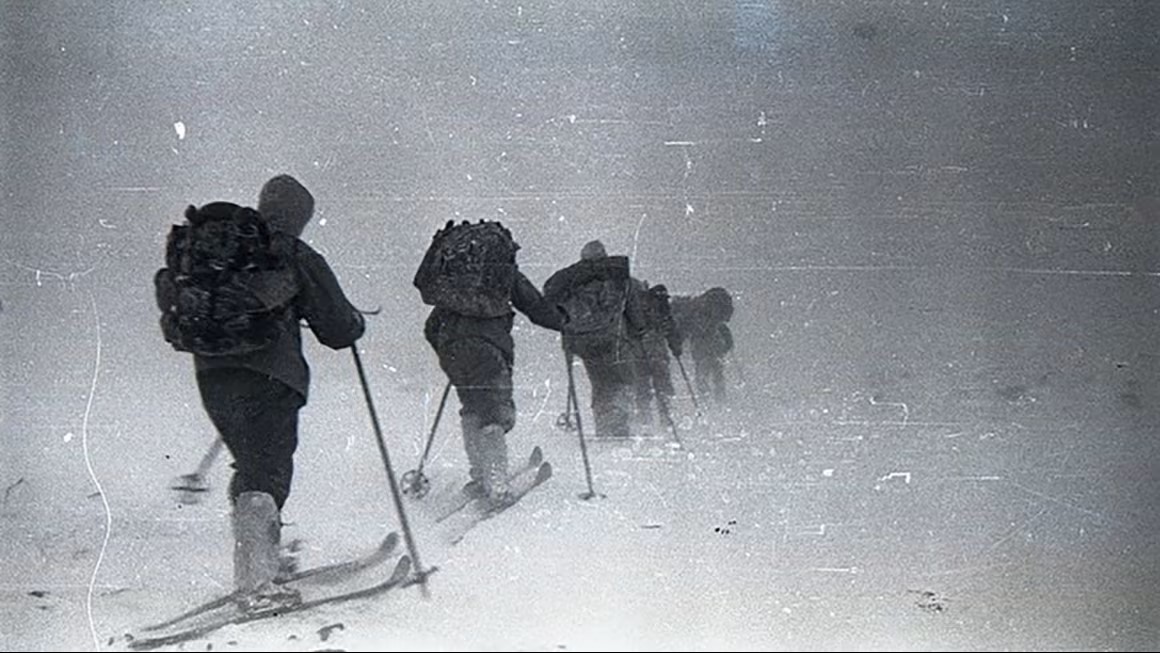
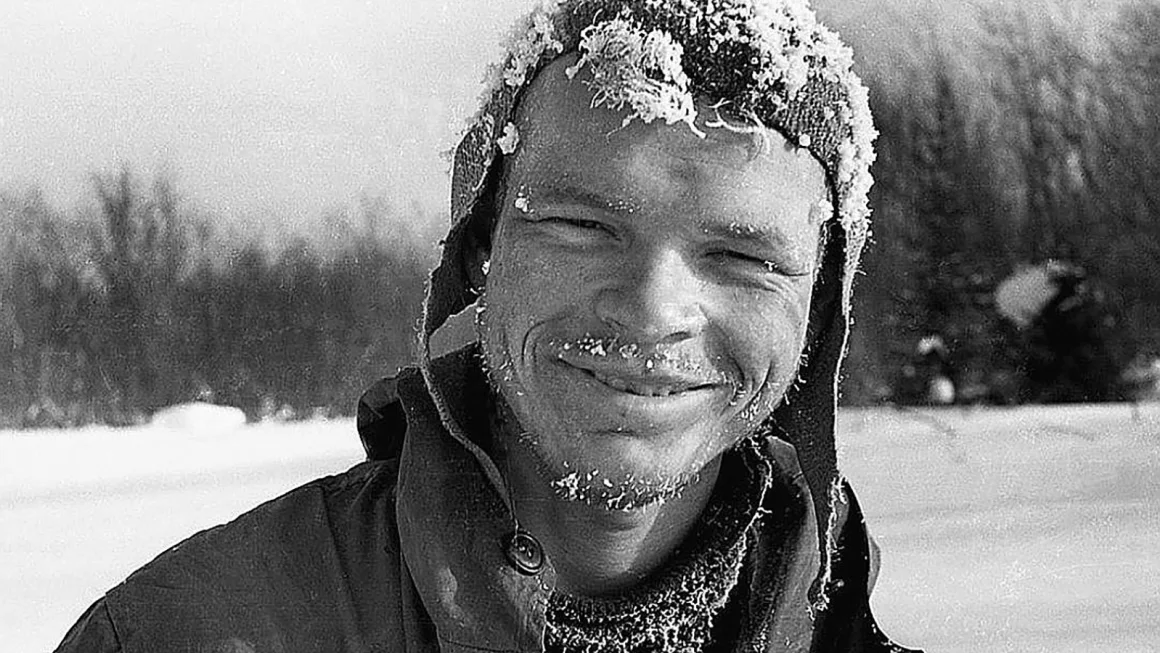
They traveled by train, truck, and skis, recording everything meticulously. Their final photographs show smiles, snowball fights, and meticulous camp setup.
Nothing suggested disaster.
2. The Discovery: A Scene Beyond Logic
2.1 The Abandoned Tent
On February 26, 1959, rescuers made a chilling discovery:
The hikers’ tent was cut open from the inside, as if the group fled in urgent panic. Their boots, jackets, and gear were still inside.
Temperatures were −25°C to −30°C. Leaving the tent half-dressed was a death sentence.
2.2 The First Bodies
Two bodies—Doroshenko and Krivonischenko—were found under a cedar tree, barefoot and nearly naked, as though they had tried to climb the tree for something.
Were they looking for the tent? A threat? Or trying to escape something?
2.3 More Dead in the Snow
Three more were found next—Dyatlov, Kolmogorova, and Slobodin—lying between the cedar and the tent as if they attempted to crawl back.
2.4 The Ravine Four
Three months later, four bodies were found in a ravine:
- Dubinina (missing tongue, eyes, and part of her lips)
- Thibeaux-Brignolle (deadly skull fracture)
- Zolotaryov (severe chest cavity damage)
- Kolevatov (no soft tissue injuries but strangely dressed)
Some had clothes with traces of radioactivity.
The injuries were described by the medical examiner as comparable to a car crash, not something caused by a fall from standing height.
Nothing about the scene felt ordinary.
3. The Mystery: Clues That Make No Sense
3.1 Why Was the Tent Cut from the Inside?
One of the most confounding pieces of evidence. Nobody casually cuts their only shelter during a blizzard.
3.2 Why Did They Leave Proper Clothing Behind?
Experienced hikers know you never leave the tent without full gear, especially at night.
This suggests:
- Panic
- Confusion
- Disorientation
- Forced escape
But from what?
3.3 Radioactivity on Clothing
A few pieces of clothing contained low-level radiation. Enough to be strange—but not enough to imply nuclear fallout.
3.4 Orange Fireballs in the Sky
Dozens of locals claimed to see glowing orange spheres in the sky that night. Meteors? Military rockets? Or something else?
3.5 Missing Tongue, Eyes, and Soft Tissue
While scavenging animals could explain these, the timing and location complicate this.
3.6 Strange Behavior Before Death
Signs of:
- Running
- Hiding
- Climbing
- Stripping clothes from dead companions
- Building a snow den
It looked like a desperate attempt to survive something sudden and terrifying.
4. Hard Facts: What We Actually Know
4.1 All Hikers Died of Hypothermia or Trauma
Cause of death varies:
- Six from hypothermia
- Three from severe physical trauma
4.2 No Signs of Human Attack
No footprints other than the hikers’. No signs of struggle involving outsiders.
4.3 No Indication of an Animal Attack
No bite marks, no typical signs of bear or wolf encounter.
4.4 Weather Was Brutal
Winds on that slope can reach:
- Hurricane force
- Temperatures below −30°C
- Blinding snow
4.5 Their Last Camp Was on a Slope
Unusual decision: they camped on the open mountainside, not in the nearby forest shelter.
Dyatlov may have chosen it for orientation practice or out of exhaustion.
5. Scientific Analysis: Examining Leading Theories
This section breaks down each major theory with evidence, strengths, and weaknesses.
5.1 Avalanche Theory (Most Accepted by Modern Researchers)
Supporting Evidence
- Tent placed on a slope with potential slab conditions
- Cutting the tent open is consistent with avalanche panic
- Trauma on ravine victims aligns with snow/ice impact
- The official 2019 Russian re-investigation supported this theory
Problems with This Theory
- The slope was not steep enough for a classic avalanche (although slab avalanches can occur at lower angles)
- No signs of an avalanche were found weeks later
- Their footprints were clearly visible—unlikely if snow had collapsed
- Why walk so far into the forest instead of returning sooner?
Scientific Verdict
A small slab avalanche remains plausible, especially combined with darkness and panic.
5.2 Katabatic Winds (Sudden, Violent Air Currents)
What It Means
Katabatic winds can strike without warning, producing hurricane-level gusts.
Strengths
- Explains immediate evacuation
- Explains cutting tent open due to pressure
- Explains disorientation and loss of gear
Weaknesses
- Doesn’t explain major traumatic injuries
- Rare in that region (but not impossible)
Scientific Verdict
Possible—but incomplete explanation.
5.3 Infrasound-Induced Panic
Proposed by Donnie Eichar.
Mechanism
Low-frequency sound waves from wind passing a specific mountain shape can cause:
- Anxiety
- Panic
- Hallucination
- Irrational fleeing behavior
Strengths
- Explains cutting tent and fleeing
- Explains erratic behavior
- Supported by physics of the area’s geography
Weaknesses
- No evidence of infrasound on that specific night
- Doesn’t explain traumatic injuries
Scientific Verdict
The psychology fits, but the physical injuries remain unexplained.
5.4 Soviet Military Tests (Parachute Mines / Rockets)
Supporting Clues
- Orange orbs observed in the sky
- Radioactivity on clothing
- Remote area often used for military testing
- Some injuries resemble blast trauma
Problems
- No blast signatures at the site
- No metal debris
- No burns on bodies or tent
- The Soviet Union would have covered it up deeply
Scientific Verdict
Intriguing but unsupported by physical evidence.
5.5 Indigenous Mansi Attack (Discredited)
No footprints, no weapons, no motive.
Rejected even in 1959.
5.6 Yeti or Cryptid (Culturally Popular, Scientifically Baseless)
Inspired by one hiker’s joking diary entry.
Zero evidence.
5.7 Extraterrestrial Intervention
Popular in documentaries, but no physical evidence.
6. Debunking the Most Persistent Myths
Myth 1: “The Soviet Union Found Aliens and Covered It Up.”
No classified documents support this. The area was remote but not extraterrestrial.
Myth 2: “The Hikers Were Radioactive.”
Only two pieces of clothing showed light radiation, possibly from:
- A lab where some hikers previously worked
- Contaminated equipment
- Natural sources
Levels were too low to imply nuclear exposure.
Myth 3: “Dubinina’s Missing Tongue Was Removed by a Creature.”
Soft tissue decomposition in running water could explain this.
Myth 4: “The Tent Was Found Perfectly Standing.”
It was partially collapsed and partially buried by snow.
Myth 5: “The Hikers Were Smiling in Their Last Photos Because They Saw Something.”
Their last photos show normal behavior—no signs of fear.
7. Cultural Impact: How the Dyatlov Pass Incident Became a Global Phenomenon
7.1 Russia’s Most Famous Mystery
In Russia, Dyatlov Pass is equivalent to:
- The Bermuda Triangle
- Roswell
- The Mary Celeste
It represents a cultural wound—young Soviet citizens dying mysteriously during a time of technological pride.
7.2 Books, Movies, and Documentaries
The case has inspired:
- Dozens of documentaries
- Netflix series
- Novels
- Conspiracy thrillers
- Video games (like Kholat)
7.3 Internet Culture and Memes
Pages, forums, and YouTube channels endlessly discuss it. Reddit, 4chan, and mystery blogs treat it as the ultimate “unsolved case.”
7.4 Tourism Surge
Despite harsh weather, adventurers now trek to Dyatlov Pass yearly.
Some go to honor the hikers.
Others go to chase ghosts.
7.5 Scientific Re-examination in 2020
A Swiss simulation model recreated small slab avalanches matching the hikers’ injuries. This renewed mainstream acceptance of the avalanche theory.
8. The Human Element: Remembering the Nine Lives Lost
Behind the mystery were real people:
- Talented students
- Engineers
- Athletes
- Sons and daughters
- Friends
Their diaries show:
- Humor
- Teamwork
- Determination
- Hope
They were not reckless; they were skilled, disciplined, and united.
Their deaths were a tragedy—not entertainment.
9. The Most Likely Explanation: A Multi-Factor Disaster
After decades of research, experts increasingly consider a combination of natural events:
9.1 Nighttime Slab Avalanche
A small slab loosens above the tent, pressing its side.
9.2 Immediate Panic
The group thinks the mountain is collapsing.
9.3 They Cut the Tent and Flee
Running downhill in fear, some without clothes.
9.4 Brutal Weather Takes Over
Hypothermia disables judgment. Some collapse.
9.5 Snow Den Attempt
Four hikers build a snow den but collapse into a ravine, sustaining severe trauma.
9.6 Tissue Loss and Decomposition
Explains missing tongue and eyes.
This unified theory fits:
- The evidence
- The timeline
- The physical injuries
- The psychological actions
But it still leaves room for atmospheric anomalies (infrasound), weather phenomena, or mild military interference.
10. Why the Dyatlov Pass Incident Will Never Fully Die
Because it sits at the crossroads of:
- Science
- Terror
- Nature
- Human fear
- Soviet secrecy
- Cold wilderness
- Unanswered questions
The perfect formula for eternal fascination.
Like all great mysteries, it offers just enough evidence to tease the truth—but never enough to confirm it.
Conclusion: A Cold Case That Still Burns
More than 60 years later, the Dyatlov Pass Incident remains a haunting reminder of nature’s raw power and humanity’s appetite for mystery. This tragedy is not just a puzzle—it is a story of human endurance, fear, and the fragile line between adventure and catastrophe.
The nine hikers of Dyatlov Pass left behind:
- Footprints
- Photographs
- Journals
- And one of the most profound, chilling mysteries in history
Whether the answer lies in snow, sound, secrecy, or human panic, the Dyatlov Pass Incident continues to echo across generations, across cultures, and across the frozen peaks where the winds still whisper their names.