
The Tunguska Explosion (1908, Siberia): A Detailed Investigation of the Greatest Mystery Blast in Human History
The Blast That Shook the Earth, The Science That Tried to Explain It, and The Wonder That Still Keeps It Alive
Introduction: The Morning the Sky Caught Fire
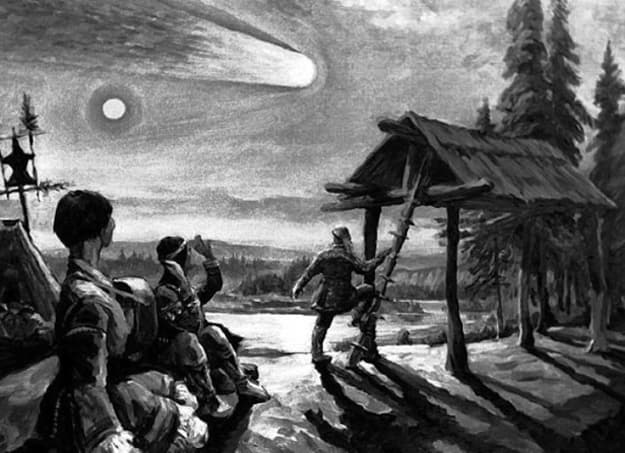
On June 30th, 1908, at approximately 7:17 AM local time, a blinding streak tore across the remote Siberian sky. Indigenous Evenki herders looked up, shielding their eyes as a blue-white fireball raced overhead, trailing smoke like a comet in distress. Moments later, a flash brighter than the sun erupted over the Podkamennaya Tunguska River, followed by a shockwave so powerful it shattered windows 600 kilometers away, knocked people off their feet, and rang church bells in cities that had never even heard of Tunguska.
Then came the sound.
A deep, rolling thunder that roared across the Siberian taiga for minutes. When it ended, an eerie silence fell. Birds stopped singing. Animals fled. A strange glow lit the night skies across Europe.
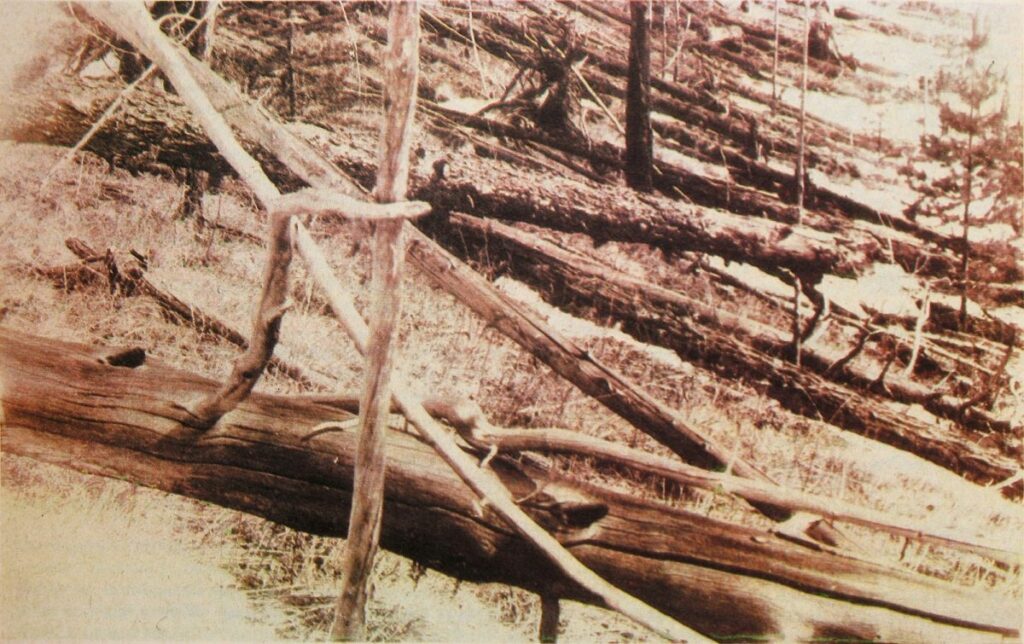
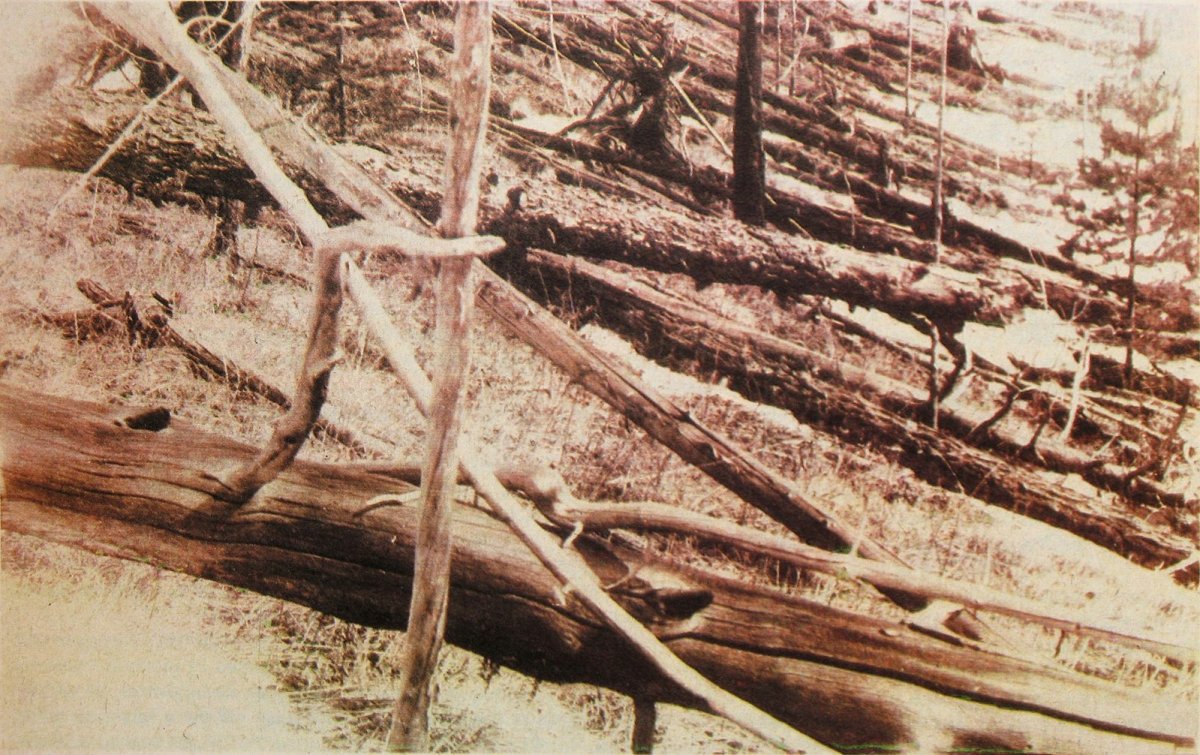
When Russian scientists finally reached the site 19 years later, they discovered 80 million trees flattened in a massive radial pattern—2,000 square kilometers of forest leveled.
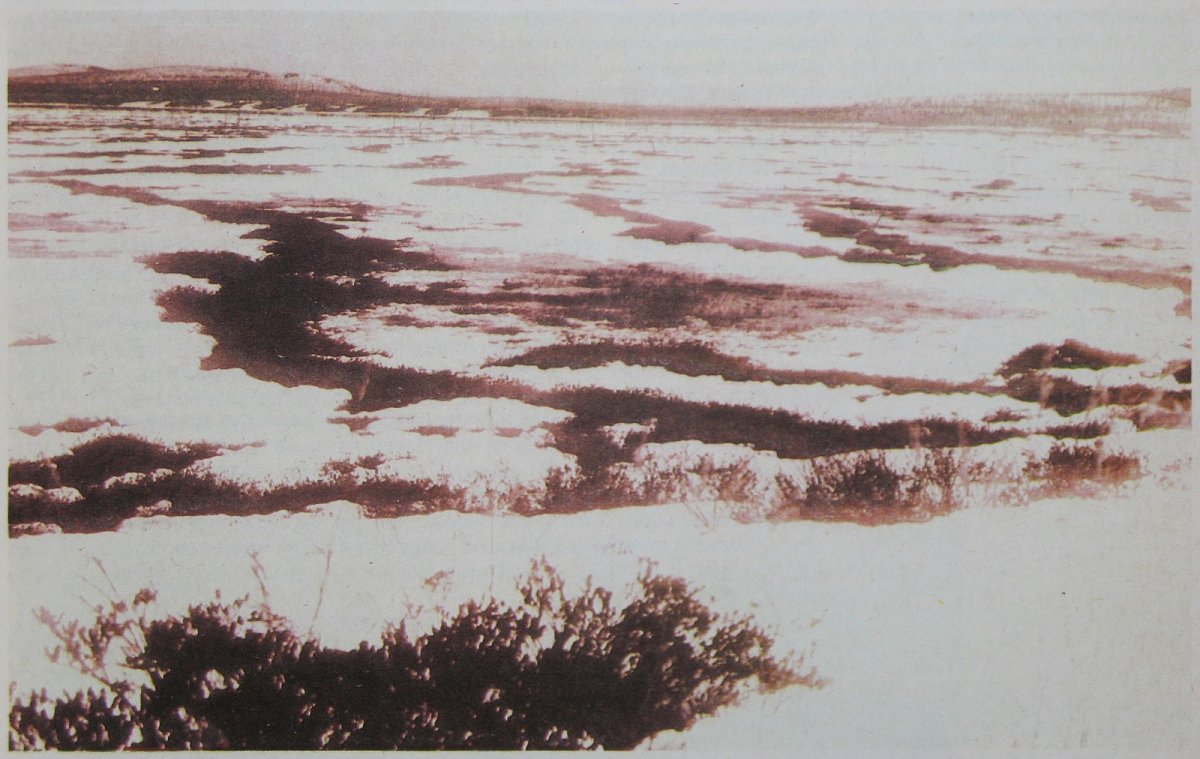
Yet there was no crater.
The greatest impact event in recorded human history had left no visible point of impact.
The Tunguska Explosion has since become one of the most enduring scientific mysteries on Earth. Was it:
- A meteor explosion?
- A comet?
- A black-hole graze?
- A nuclear-like airburst?
- A secret weapons test decades ahead of its time?
- Something extraterrestrial?
- Or something even stranger?
This article takes you through five thousand words of gripping narrative, scientific analysis, cultural implications, and a deep dive into the facts behind one of our planet’s most spectacular unexplained events.
1. The World Before the Blast
1.1 A Remote Wilderness
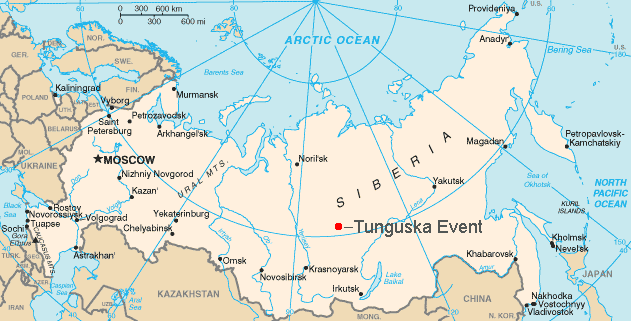
Tunguska was (and still is) one of the most isolated regions on Earth:
- Endless taiga
- Swamps
- Insects
- Sparse Indigenous communities
- Little infrastructure
This isolation would delay investigation—and fuel over a century of speculation.
1.2 The Morning of June 30, 1908
Eyewitnesses described:
- A fireball “as bright as the sun”
- Heat intense enough to singe hair
- Shockwaves that collapsed huts
- Thunderous booms that echoed across Siberia
- A warm wind that knocked people unconscious
Some witnesses said the sky “split in two.”
One man near the epicenter was reportedly thrown several meters into the air.
2. The Aftermath: A Landscape Reshaped by Fire and Wind
2.1 The Devastation Pattern
The explosion flattened approximately:
- 80 million trees
- 2,150 square kilometers of forest
- Trees fell outward in a radial “butterfly pattern”
At the center, trees remained standing but charred and branchless, like telephone poles. This is consistent with a high-altitude blast.
2.2 Strange Atmospheric Effects
For weeks afterward:
- Night skies over London and Europe glowed eerily bright
- People could read newspapers at midnight
- Electric disturbances were recorded
- Weather anomalies appeared globally
These effects imply a massive injection of particles into the upper atmosphere.
2.3 Delay in Scientific Investigation
Political instability, war, and remoteness meant no scientific team arrived until 1927, led by Leonid Kulik. By then, clues had degraded, and no eyewitnesses remained at the exact blast site.
This delay is the foundation of the Tunguska mystery.
3. The Greatest Mystery: No Crater
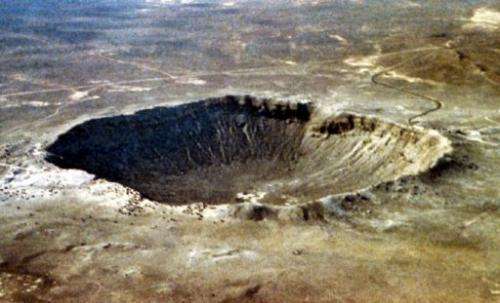
3.1 Classic Impact Events Leave Craters
Examples:
- Meteor Crater (Arizona)
- Chicxulub (Yucatán)
- Sikhote-Alin (Russia)
But Tunguska left no:
- Impact crater
- Meteor fragments (at first)
- Obvious impact point
This confused investigators for decades.
3.2 The Center Was Not a Hole—But a Ring
The blast center lacked a crater. Instead:
- Trees stood upright
- Bark charred
- Soil disturbed
- Radiation-like effects were minimal
Scientists suspected this meant the explosion happened 5–10 km above the ground.
4. The Hard Evidence We Do Have
4.1 Eyewitness Reports
Hundreds of accounts agree:
- Fireball
- Blinding flash
- Tremendous heat
- Explosive shockwave
- Thunderous sound
- Ground shaking like an earthquake
These descriptions match a high-energy atmospheric explosion.
4.2 Environmental Data
Tree growth rings show:
- Massive heat burst
- Shock damage
- Rapid regrowth in later years (from mineralized ash)
Microscopic spheres of:
- Silica
- Metallic particles
- Magnetite
Were later found in the soil—typical of vaporized meteorites.
4.3 Seismic and Barometric Records
Stations thousands of kilometers away recorded:
- Shockwaves
- Pressure waves
- Vibrations equivalent to a 5.0–5.5 earthquake
5. Scientific Analysis: Leading Theories
5.1 Airburst of a Stony Asteroid (Most Accepted)
How It Works
A rocky space object:
- Enters Earth’s atmosphere
- Compresses air in front of it
- Heats and fractures
- Explodes mid-air
These explosions can release nuclear-level energy.
Evidence Supporting This
- The pattern of fallen trees
- Lack of crater
- Shockwave intensity
- Bright fireball eyewitness accounts
- Recent events like the 2013 Chelyabinsk explosion validating the mechanism
Energy Estimate
Equivalent to 5–15 megatons of TNT—hundreds of times Hiroshima.
Remaining Questions
- Why were so few meteor fragments found?
- Why did the explosion occur exactly where it did?
Scientific Verdict
This is the leading explanation.
5.2 Comet Explosion (Water-Ice Model)
Some scientists propose it was a small comet nucleus—mostly ice and dust.
Strengths
- Explains lack of physical fragments
- Explains atmospheric glowing nights (water vapor)
- Explains shockwave and energy
Weaknesses
- Comets usually leave wider debris clouds
- The heat signature seems more consistent with rock
- Chemical traces lack high water/ice markers
Verdict
Possible, but less accepted today.
5.3 Natural Gas / Methane Eruption
Given the Siberian landscape, some proposed:
- Methane pockets
- Gas hydrates
- Underground explosion
Problems
- No ignition source
- Shockwave and fireball too large
- No crater
Not viable.
5.4 Mini Black Hole (1980s Theory)
The idea:
- A microscopic black hole passed through Earth
- Entered in Siberia
- Exited somewhere else
Why It Fails
- No exit explosion on the opposite side
- No gravitational anomalies
- Zero evidence
Scientifically fascinating, but disproven.
5.5 Anti-Matter Explosion (Sci-Fi But Considered)
Antimatter + matter = annihilation.
Why It’s Unlikely
- No gamma radiation signature
- No secondary radiation timeline
- Antimatter doesn’t naturally travel in large chunks
Purely hypothetical.
5.6 UFO / Extraterrestrial Craft Explosion
A culturally popular theory.
Why People Believe
- Eyewitnesses describe unusual lights
- No crater or fragments
- Precise altitude explosion
Scientific Counterpoints
- No alien technology recovered
- No evidence of intelligent control
- No electromagnetic anomalies consistent with machinery
Fun—but unsupported.
6. Debunking the Most Popular Myths
Myth 1: “The explosion was nuclear.”
Energy release was nuclear-scale, but:
- No radiation found
- No fallout
- No isotope signatures
It was not nuclear.
Myth 2: “No fragments were ever found.”
Wrong—micro-spherules were found decades later.
Myth 3: “The place is cursed.”
No evidence of long-term radiation or biological anomalies.
Myth 4: “The blast was caused by Nikola Tesla’s death ray.”
A persistent myth due to Tesla’s experiments at the time.
No evidence Tesla reached that distance with any technology.
7. Modern Discoveries and Technological Revelations
7.1 Chelyabinsk (2013) Changed Everything
The Chelyabinsk meteor explosion:
- Also had no crater
- Exploded in the air
- Produced a blinding fireball
- Had shockwaves breaking windows
- Left fragments only after long searching
This modern event confirmed that Tunguska was likely a much larger version.
7.2 Modern Simulations
Supercomputers modeling the event show:
- A 50-100 meter asteroid
- Entered at 30–50 degrees
- Exploded at 5–8 km altitude
- Energy ~10–15 megatons
Matches almost perfectly with tree patterns.
7.3 Lake Cheko Debate
Some claim Lake Cheko, 8 km from ground zero, formed during Tunguska.
Studies disagree:
- Some say it’s older
- Some say it may be a secondary impact
Still unresolved.
8. Cultural Impact: The Blast That Captured the World’s Imagination
8.1 Soviet Era Fascination
The USSR promoted scientific exploration, turning Tunguska into:
- Myth
- Propaganda
- Motivation for cosmic research
8.2 Literature and Film
The explosion inspired:
- Science-fiction novels
- Soviet mystery films
- Documentaries
- Discovery/History Channel features
- Conspiracy theories
8.3 Internet Culture
Today, Tunguska is:
- A Reddit obsession
- A conspiracy hotbed
- A scientific discussion topic
- A cautionary tale about asteroid impacts
8.4 Tunguska in Space Policy
The event is a major reason for:
- NASA’s asteroid detection programs
- International asteroid defense coordination
- The creation of the Planetary Defense Coordination Office
Tunguska reshaped global space awareness.
9. Human Perspective: Indigenous Accounts and Trauma
The Evenki people living in the region described:
- “The sky breaking open”
- “A second sun”
- “A fiery whirlwind”
Some tribes attributed the event to:
- Angry gods
- Sky spirits
- Cosmic battles
Huts were destroyed. Hunting lands were devastated. Generations passed down the story with awe and fear.
10. The Most Likely Explanation: A Stony Asteroid Airburst
Based on over 100 years of evidence:
10.1 The Object
A 50–80 meter near-Earth asteroid.
10.2 Its Path
Entered atmosphere at 40,000–60,000 km/h.
10.3 The Explosion
Occurred at ~6 km altitude.
10.4 Energy Release
15 megatons—1,000 times Hiroshima, equivalent to a modern nuclear warhead.
10.5 Effects
- Trees flattened
- Shockwaves across Siberia
- Atmospheric glow
- Micro-fragments dispersed
10.6 Why No Crater?
Because the explosion happened in the air, not on the ground.
This is scientifically the most consistent model.
11. Why the Tunguska Mystery Still Lives On
Because the event sits perfectly between:
- Science
- Myth
- Fear
- Unknown
- Cosmic danger
Tunguska is the greatest reminder that Earth is not isolated. The cosmos watches us, passes us, and sometimes strikes us—with almost unimaginable force.
No warning.
No crater.
Just devastation.
Conclusion: A Blast That Changed Earth Without Touching It
The Tunguska Explosion remains one of the most dramatic cosmic reminders of our planet’s vulnerability. It carved its name into human history—not with a crater, but with a story, a mystery, and a warning.
Every tree that fell that morning whispered a truth humanity would only understand a century later:
The universe is powerful, unpredictable, and closer than we think.
Tunguska wasn’t just a blast.
It was a message.
And we are still listening.